
Fairhope, Alabama Boat Recycling Services
 by Posted inAlabama Boat Junkyards, Boat Junkyards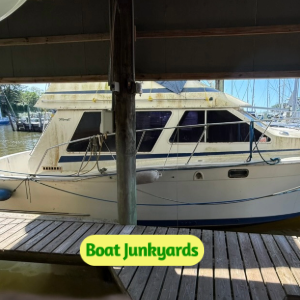
Fairhope, Alabama Boat Recycling Services
by Posted inAlabama Boat Junkyards, Boat Junkyards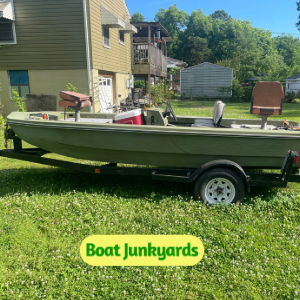
Hueytown, Alabama Boat Pickup
by Posted inAlabama Boat Junkyards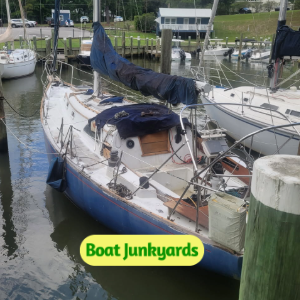
Boat Junkyards – Old Sailboat Haul Away Is your boat old, ready to expire, taking up … Fairhope, Alabama Sailboat Salvage OptionsRead more
by Posted inAlabama Boat Junkyards, Boat Junkyards
Boat Junkyards – Alabama Boat Junkers Is your boat old, ready to expire, taking up yard … Bessemer, Alabama Sailboat Tow and DemoRead more
by Posted inAlabama Boat Junkyards, Boat Junkyards
Boat Junkyards – Coffee County Boat Scrappers Is your boat old, ready to expire, taking up … Elba, Alabama Boat Demolition and ScrappersRead more
by Posted inAlabama Boat Junkyards
Boat Junkyards – Full Boat Demolition Is your boat old, ready to expire, taking up yard … Total Boat Salvage in Montrose, AlabamaRead more
by Posted inAlabama Boat Junkyards
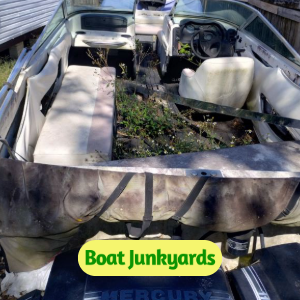

Typically, 3-7 days, emergency expedient requests same day. Some requests for 1-2 days are capable – depending on availability. In other cases, “you” the customer may need more time, and that’s okay too. Or we may need a time extension which is rare, but unforeseen things happen like trailer or truck issues, tow boat issues, or tides that don’t match the job specs (if your boat is on the water). During winter months, icy roads and heavy snowfall may cause delays (this is normal) our liaison will coordinate the next available time and dispatch when the ice melts and the road is safe for hauling your boat to the junkyard, salvage yard, scrapyard or recycle center.
The boat type, length, beam, draft, location, and obstacles involved are factored in the price. Our cost estimation is provided over the phone then sent to your email address for signing. We do not dispatch or deploy assets without a signed agreement.
Fairhope, Alabama Boat Recycling Services
Hueytown, Alabama Boat Pickup
Boat Junkyards – Old Sailboat Haul Away Is your boat old, ready to expire, taking up … Fairhope, Alabama Sailboat Salvage OptionsRead more
Boat Junkyards – Alabama Boat Junkers Is your boat old, ready to expire, taking up yard … Bessemer, Alabama Sailboat Tow and DemoRead more
Boat Junkyards – Coffee County Boat Scrappers Is your boat old, ready to expire, taking up … Elba, Alabama Boat Demolition and ScrappersRead more
Boat Junkyards – Full Boat Demolition Is your boat old, ready to expire, taking up yard … Total Boat Salvage in Montrose, AlabamaRead more
Ready, set, go. Vroom, vroom… That’s the sound of your old ugly boat leaving its driveway, blocking a channel on the intercoastal, sinking at the marina, holding on for dear life from the dock or damaged lift. Ahh… that’s the sound of your wife, girlfriend, landlord, neighbor, or estate manager sighing a bit of relief as your old boat sets sail for its final voyage.
Our primary focus at Boat Junkyards is not buying or selling boats. Our service is mostly directed towards recovering, salvaging, scrapping, recycling, or full out disposal of old junk boats, aged sailboats, and all damaged boats.
When you call Boat Junkyards our liaison will price estimate the cost of hauling your boat to the scrapyard, waste center, dump, recycle facility, junkyard or boat graveyard. You’ll receive a simple agreement to sign online with the agreed upon price. Our boat graveyard and junkyard services are nationwide. Leave it up to us, our liaison will quickly work up the logistics and what parts of the boat need to be removed with machinery.
Boats removed from land usually have less chance of an ecological liability making the process more economical for your wallet too! Whereas boats pulled out from the water have a bit of a higher chance to cause ecological issues, especially if there’s fluids such as gas, diesel or oil aboard. Triple the liability risk if there’s fluids onboard as well as hull cracks or a submersed vessel in distress. These are just a few of the factors to consider when weighing out ecological risks associated with the boat removal process. Contact Boat Junkyards to get the eco-friendly boat removal process started.
Although many similarities, and one in the same on most occasions; the best way to explain the difference is that abandoned boats were left behind, and derelict boats have been cited by the fish and wildlife service agency. If your boat was recently cited as derelict, you may have a court date, with fines and penalties to follow. We’re not a law firm and do not provide legal advice. That said, make getting your vessel to the boat junkyard a top priority. In our experience and opinion, we would suggest expedient remedial action such as boat recovery, removal, and or disposal depending on the unique scenario.
Owning a boat can be an exciting and liberating experience, offering countless hours of recreation and relaxation on the water. But what happens when a boat has reached the end of its useful life? Whether it’s an old fiberglass cruiser sitting on your property collecting moss or a waterlogged dinghy that’s beyond repair, eventually, the time comes to say goodbye.
Disposing of an old boat is not as simple as taking out the trash. Boats are large, complex structures made of various materials, many of which are not biodegradable. To protect the environment and stay within the law, you need to follow a careful process. One of the most responsible methods is to remove the boat and take it to a junkyard or salvage facility.
We’ll walk you through the step-by-step process of removing a boat, dealing with the paperwork, transporting it, and finally disposing of it at a junkyard or salvage yard – all of which Boat Junkyards completes for its customers. We’ll also look at eco-friendly options, cost considerations, and common mistakes to avoid.
Before diving into the how, let’s look at the why. Disposing of a derelict, red tagged, abandoned or unwanted boat isn’t just about freeing up space — it’s also about safety, code compliance, and environmental responsibility; not to mention boats can be a real estate deterrent when a homeowner is ready to sell their property or estate.
The first step is to assess whether the boat is truly junk. It might still have some salvageable value.
Is It Worth Selling or Donating?
Before you start planning transportation or making calls to junkyards, empty the boat completely.
What to Remove:
Tip: Check with your municipality for hazardous waste disposal days or centers that accept marine fluids and batteries.
Disposing of a boat usually requires proof of ownership, especially when dealing with official facilities like junkyards or recyclers.
Key Documents:
If you don’t have the title, you may need to file for a duplicate through your state’s Department of Motor Vehicles (DMV) or marine board. Some junkyards will not accept boats without proper paperwork due to legal risks.
Not every junkyard takes boats. Look for boat salvage yards, boat recyclers, or boat removal companies like Boat Junkyards that specialize in removing boats.
What to Look For:
You can find us online using words like:
If you’re ready for an all-in-one boat removal company that get’s it done, and want to get on our schedule, It’s wise to call ahead, describe the boat, and ask about fees, transportation, and procedures. With Boat Junkyards it’s pretty simple, get a quote, review and sign the agreement online, and then a boat pickup date is scheduled! Visit any form link provided to receive a free boat removal price quote.
If your boat is large, in terrible condition, or just difficult to move, a professional boat removal service may be the most practical option. These services can handle everything from hauling your boat away to ensuring it’s disposed of responsibly.
Boats can contain hazardous materials that require special attention. Make sure you dispose of these properly before removal. Common hazardous items found in boats include:
While it may seem like an easy solution to simply dump the boat into a nearby waterway or landfill, this is illegal in most areas and highly damaging to the environment. Old boats can leak harmful chemicals into the water, polluting aquatic ecosystems.
Fill out the Prices & Estimate form, or simply give us a call.